

Woodblock printing is one of the oldest publishing techniques. It came to Japan in the 8th century, used primarily in producing existing Buddhist texts and books of Chinese origins. But it’s not until the Late Edo period (17th to 19th century) that woodblock printing achieved the height of its potential as an art technique through the original works of Japanese artists called ukiyo-e.
UKIYO-E PRODUCTION
It used to be that ukiyo-e is produced through a complex collaboration between the publisher, artist, engraver and printer. So it’s the norm for artists to work in a studio during those days. But as time progressed, there are those who chose to create their work from start to finish. This video is an interview with Takuji Hamanaka, showing the traditional technique for woodblock printing:
UKIYO-E: THEMES AND CHARACTERISTICS
Ukiyo-e literally means ‘pictures of the floating world’. Originally, ukiyo was a Buddhist term to express the impermanence of human life. However during the Edo period, it became synonymous to hedonistic pleasures of people who embraced them all the more for their ever changing nature. Also, people at this time enjoyed peace. People were able to read and enjoy leisure time. Ukiyo-e became the most sought-after art form among the commoners and became the most affordable, fastest medium of spreading fashion trends and information.
Ukiyo-e focused on the ordinary things in life. Images usually depict colored narratives and include animals, birds, landscapes and people from lower classes, like courtesans, sumo wrestlers or Kabuki actors. Generally, the artists use exaggerated foreshortening, asymmetry of design, imaginative cropping of figures and areas of flat (unshaded) color.
What follows are some works found at Ukiyo-e.org .It’s a database of over 200,000 prints, grouped according to artists and the time period they were made. It compiled works from the Early Mid-1700’s to the present time.
UKIYO-E ARTISTS
KITAGAWA UTAMARO (1753- 1806)
He is best known for his idealized portrayal of women in his works. It’s said that no one before him has ever captured a woman’s beauty as deeply as he did. According to Dieter Wanczura, he had experimented with some new techniques to display the flesh tones of his woman portraits in a different and softer manner.

Vertical ôban; 38.4 x 25.1 cm (15 1/8 x 9 7/8 in.)
Woodblock print (nishiki-e); ink and color on paper
Source: Museum of Fine Arts Boston

Vertical ôban diptych; 38 x 51 cm (14 15/16 x 20 1/16 in.)
Woodblock print (nishiki-e); ink and color on paper
Source: Museum of Fine Arts Boston

9 1/4 x 14 3/4 in. (23.5 x 37.5 cm)
Polychrome woodblock print; ink and color on paper
Source: Metropolitan Museum of Art
KITAO MASAYOSHI (1764 – 1824)

Vertical chûban; 25.7 x 19 cm (10 1/8 x 7 1/2 in.)
Woodblock print (nishiki-e); ink and color on paper
Source: Museum of Fine Arts Boston

Vertical chûban; 22.4 x 16 cm (8 13/16 x 6 5/16 in.)
Woodblock print (nishiki-e); ink and color on paper
Source: Museum of Fine Arts Boston
UTAGAWA HIROSHIGE (1797 – 1858)
He’s dubbed as “the artist of rain, snow and mist”. His most popular series is the Fifty Three Stations of the Tokaido, which catapulted him to contemporary success.

Originally in Edo period. This one was recarved edition made in c.1930s.
Source: Ukiyo-e.org and Artelino Japanese Prints

Horizontal ôban; 22.9 x 35.3 cm (9 x 13 7/8 in.)
Woodblock print (nishiki-e); ink and color on paper
Source: Museum of Fine Arts Boston

Rural landscape. Fuji from Yasuda Beach in Awa province
Woodblock print; Nishiki-e on paper
Source: British Museum

Source: Ukiyo-e.org and Japanese website
He’s notable for his works that feature bijin (beautiful women).

Vertical ôban, upright diptych; 71.4 x 23.8 cm (28 1/8 x 9 3/8 in.)
Woodblock print (nishiki-e)
Ink and color on paper
Source: Museum of Fine Arts Boston

Horizontal ôban; 24 x 35.9 cm (9 7/16 x 14 1/8 in.)
Woodblock print (nishiki-e); ink and color on paper
Source: Museum of Fine Arts Boston

Horizontal ôban; 23.6 x 36.3 cm (9 5/16 x 14 5/16 in.)
Woodblock print (nishiki-e); ink and color on paper
Source: Museum of Fine Arts Boston
KATSUSHIKA HOKUSAI (1760 – 1849)
He’s the greatest master of Japanese landscape woodblock prints. His best work is the series, 36 Views of Mount Fuji.

21.3 x 18.43 cm
Color woodblock print with metallic pigments
Source: Art Institute of Chicago
Among his works, this my favorite. There is that serene contentment on the face of the subject though we know there is much to be desired from being a lowly fisherman. And this mood seemed to be reinforced by the gentle flow of the water in the background.

25 x 37.1 cm (image); 26.3 x 38 cm (sheet)
Color Woodcut Reproduction
Source: Legion of Honor, Fine Arts Museum of San Francisco

Horizontal ôban; 25.2 x 37.7 cm (9 15/16 x 14 13/16 in.)
Woodblock print (nishiki-e); ink and color on paper
Source: Museum of Fine Arts Boston

Horizontal ôban; 26 x 38.5 cm (10 1/4 x 15 3/16 in.)
Woodblock print (nishiki-e); ink and color on paper
Source: Museum of Fine Arts Boston
And of course, his work that made him immortal:

Color woodblock print; oban
25.4 x 37.6 cm (10 x 14 3/4 in.)
Source: Art Institute of Chicago
WORKS OF CONTEMPORARY UKIYO-E ARTISTS
Here we can see how the technology has progressed and how Western artistic styles influenced the modern woodblock prints.

Fuji From Lake Ashi, c 1952
Woodblock
Source: Japanese Artist Open Database

Rice Field in Hakuba Village – Japan, 1995
Source: Ukiyo-e.org and Artelino

A Great Mirror of the Actors of the Heisei Period: Bando Tamasaburo as the Heron Maiden
oban tate-e 16 7/8 by 12 1/4 in., 43 by 31 cm
Source: Scholten

Inagaki Tomoo (1902 – 1980)
6” x 4”, Woodblock
Source: Japan Art Online Database

44.5 x 35.7 cm, Color Woodcut
Source: Legion of Honor, Fine Arts Museum of San Francisco
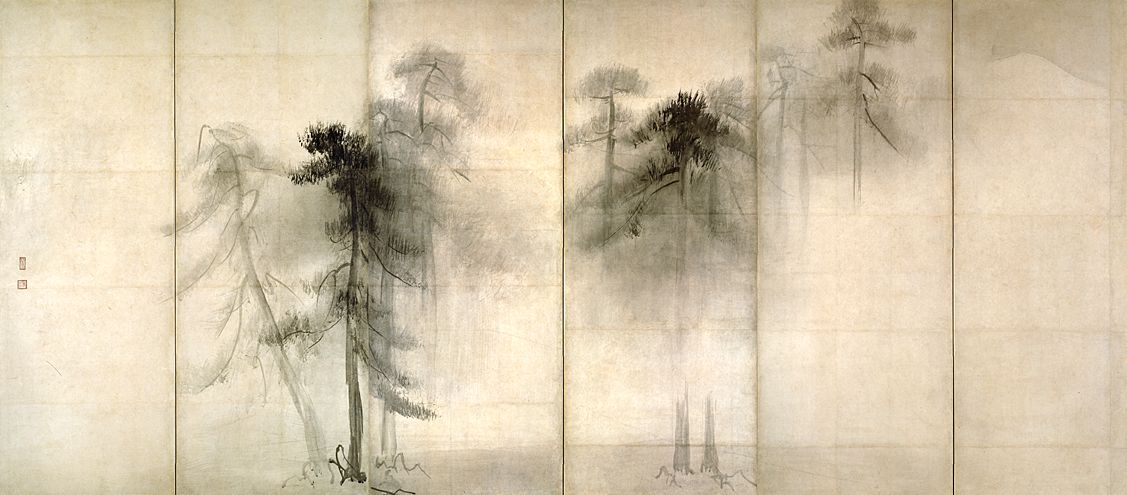
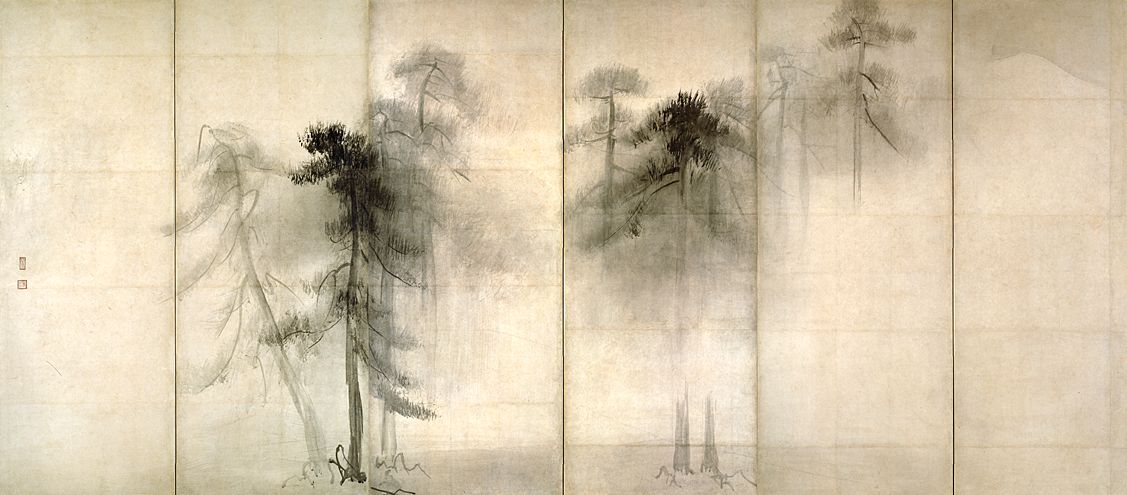
I hope you find this collection interesting. Complement this article with Japanese byobu art we featured previously. May this deepen your appreciation of Asian art.
As always, thanks so much for dropping by!
Please see credits for featured image on the body of the article.





 jelsjournal.home.blog